Thinking about trading your current place for a little more elbow room, a newer build, or a different neighborhood in North OKC? You are not alone. Move-up buyers are active across the metro, and a clear plan can help you time the sale, buy with confidence, and keep stress low. In this guide, you will learn how to size your budget, choose the right timing, prep your home, and focus your neighborhood search. Let’s dive in.
North OKC market check
Citywide data shows a steady, more balanced market than the pandemic years, with modest price movement and typical days-on-market patterns returning. The most reliable local source for trends and neighborhood breakdowns is the regional MLS. Review the latest MLSOK summary for pricing and inventory context and then narrow to your ZIP or neighborhood for comps. You can start with the annual report from MLSOK to understand broader momentum before zeroing in on your block-level numbers. MLSOK’s annual report is a helpful snapshot.
Why this matters: “North OKC” covers very different price bands and home styles within a few miles. A custom Comparative Market Analysis (CMA) based on your specific neighborhood will give you a realistic list-price range and help you model timing.
Know your budget
Before you shop, get a clear picture of what you can net from your sale and put toward the next purchase.
Find your value
- Online estimates can give you a quick ballpark, but treat them as a starting point only.
- Check the Oklahoma County Assessor site for your parcel’s assessment history and recorded sales in the area. Assessed values are not the same as market prices, but they provide useful context. Use a CMA for pricing. Visit the Oklahoma County Assessor’s parcel search.
- Ask a local agent for a CMA using recent sold comps in your immediate neighborhood to set a near‑correct list-price range.
Confirm your payoff
Request a payoff statement from your mortgage servicer. This shows your exact payoff amount, including per‑diem interest and any prepayment fees. If you have a second lien or HELOC, request that payoff too.
Estimate net proceeds
Run your numbers in two scenarios: conservative and optimistic.
Example only: if you sell for $300,000 and owe $150,000:
- Agent commissions often fall near the national average of about 5 to 6 percent total. At 5.5 percent, that is $16,500. See general ranges from Bankrate’s commission guide.
- Title, escrow, recording, and prorations can add roughly 1 to 3 percent depending on local practices.
- Net proceeds are roughly sale price minus payoff minus selling costs.
Use your agent’s net sheet and your lender’s official payoff to finalize your estimate.
Quick tax note
If you are selling a primary residence, you may qualify for an exclusion of gain, subject to IRS rules on ownership and use. Review IRS Publication 523 and consult your tax professional for your situation.
Choose your timing
There is more than one right way to sequence your sale and purchase. Pick the path that fits your risk tolerance and your target neighborhood’s competitiveness.
Sell first, then buy
Pros:
- You have cash in hand from your sale, which simplifies loan approval on the new home.
- You avoid carrying two mortgages at once.
Cons:
- You may need short-term housing while you shop.
- You could miss the right home if inventory is tight during your gap.
Buy first, then sell
Pros:
- You can move once and compete with a non‑contingent offer.
- You have time to prep your current home for top presentation.
Cons and tools:
- You might carry two mortgages temporarily or use short‑term financing to bridge the gap. Bridge loans and HELOCs are common tools, but they come with costs and qualification requirements. Learn the trade‑offs in this bridge loan overview.
Contingent offers
Sale contingencies can work in balanced segments. In more competitive pockets, sellers may prefer non‑contingent offers. Your agent can advise based on active competition and days on market where you are aiming to buy.
Plan your closings
Federal TRID rules require lenders to issue a Closing Disclosure at least three business days before closing. That window affects how tight you can schedule same‑day or back‑to‑back closings. Review the CFPB’s overview of these timelines at Know Before You Owe, and coordinate early with both lenders and the title company.
Prep to sell well
Smart prep reduces time on market and can improve your bottom line. Focus on cost‑effective steps with clear buyer impact.
High‑impact fixes
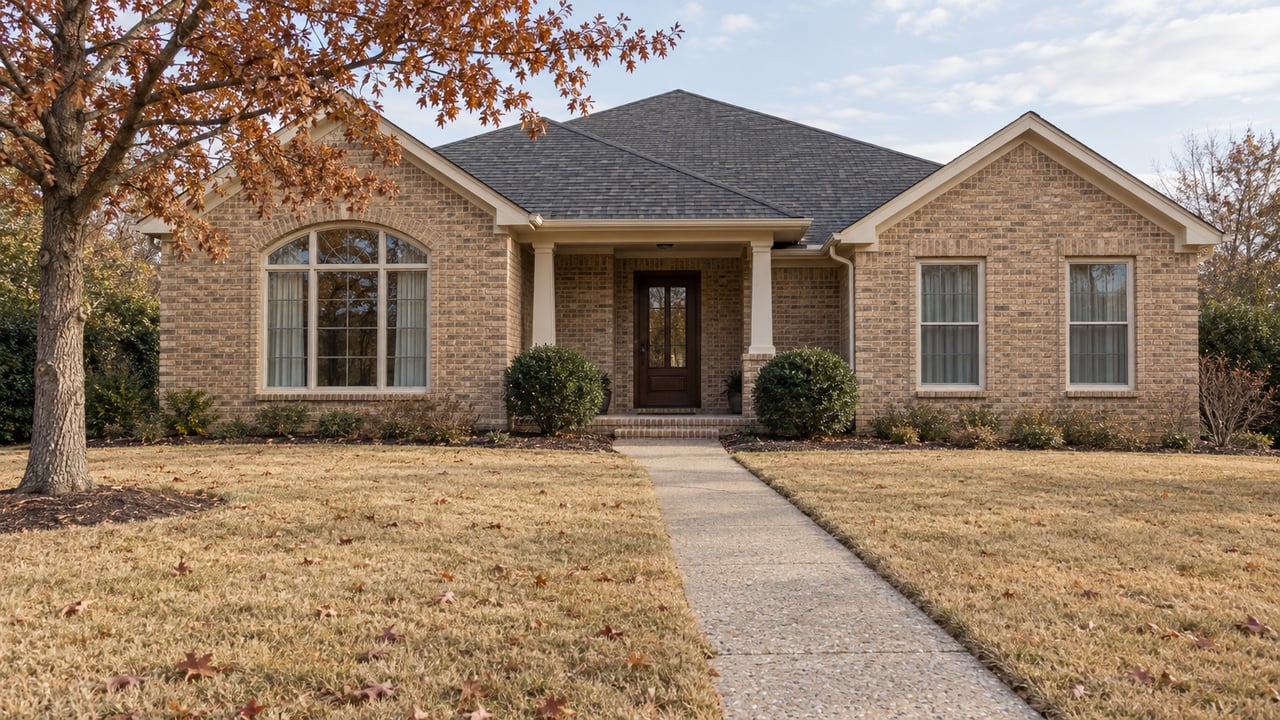
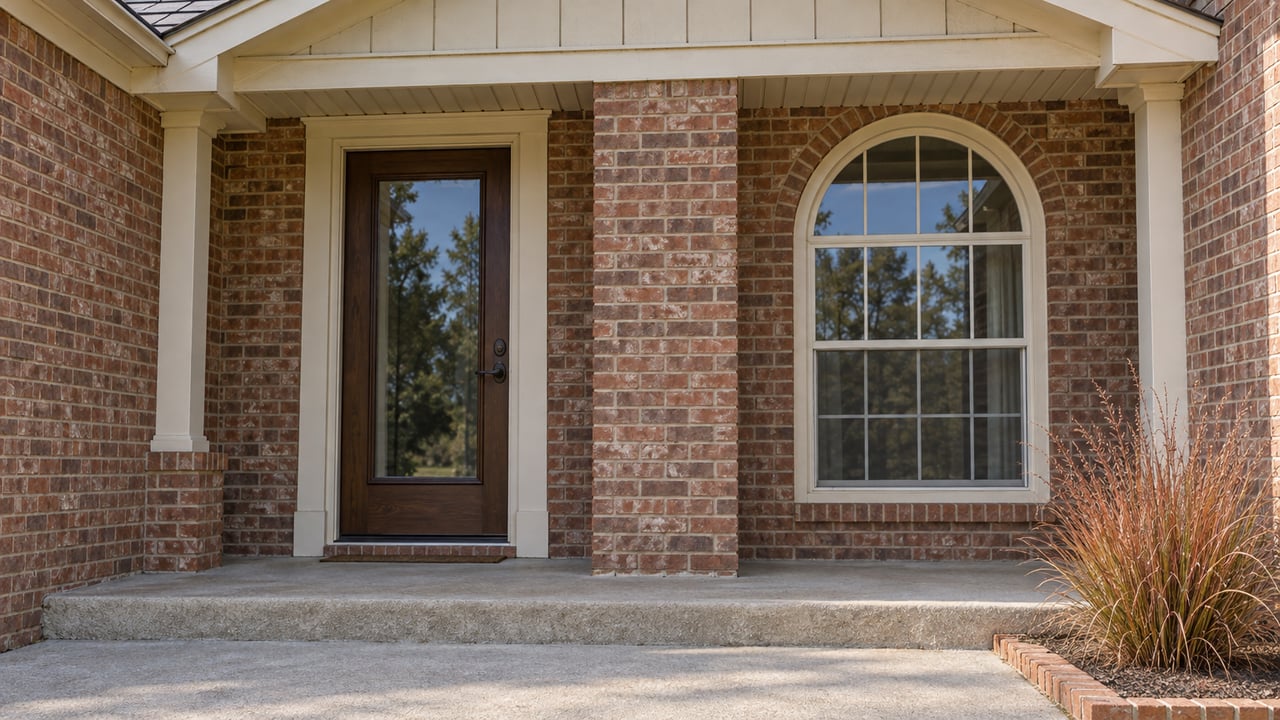
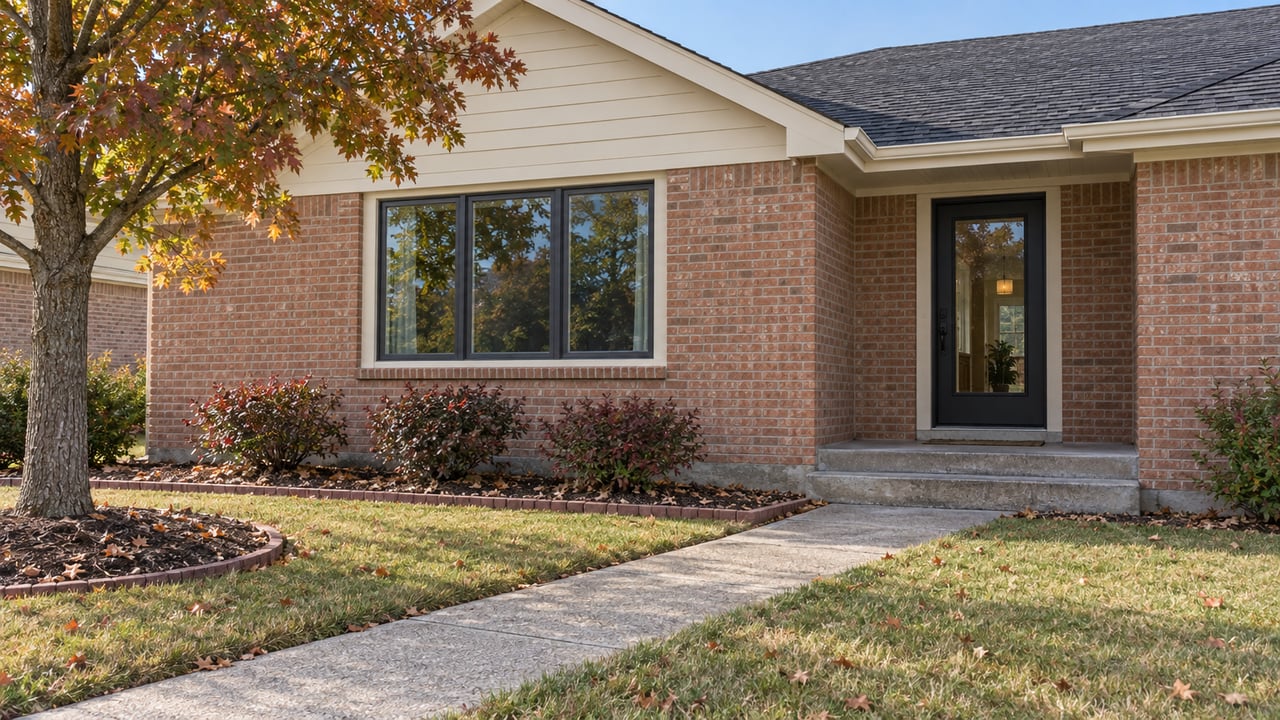
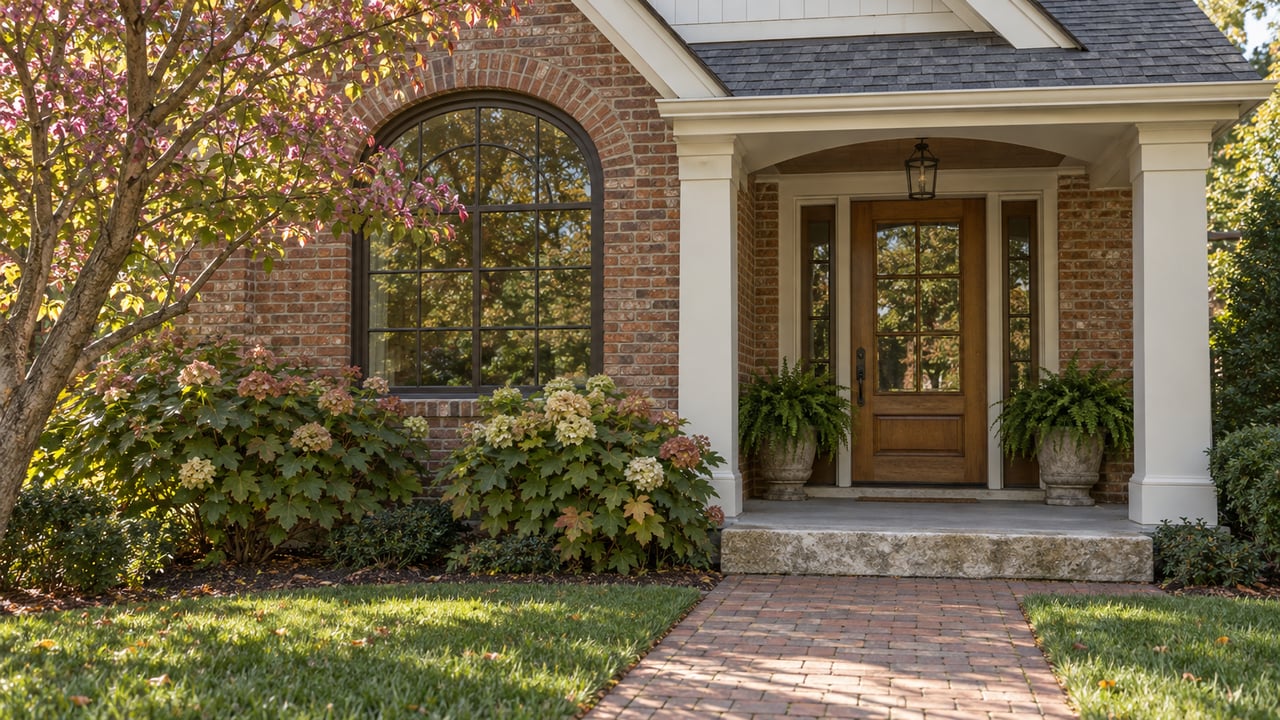
- Curb appeal: fresh mulch, trimmed shrubs, clean walkways, and a tidy entry. Many low‑cost exterior updates punch above their weight.
- Quick wins with strong ROI: garage‑door replacement and a new steel entry door top national rankings most years. Use the regional Remodeling Cost vs. Value report to spot projects that return well in our area. See the 2025 summary here: Cost vs. Value report.
- Interior refresh: neutral paint in high‑traffic spaces and updated lighting are budget‑friendly and photo‑friendly.
Stage for photos and showings
Start with decluttering and deep cleaning. If you stage, prioritize the living room, primary bedroom, and kitchen. According to NAR’s 2025 Profile of Home Staging, many agents saw staging reduce time on market and modestly increase offers. Review highlights in the NAR staging report. Pair staging with professional photography, a clear floor plan, and a virtual tour to maximize online interest.
Inspect and repair
Consider a short pre‑listing inspection to catch roof, HVAC, plumbing, or electrical issues early. Addressing obvious deferred maintenance upfront can reduce renegotiations and delays once you are under contract.
Target your next area
North OKC offers a wide range of homes and lifestyles. Here is a quick, neutral overview to help you shortlist neighborhoods before you dive into comps and on‑the‑ground tours.
Nichols Hills
An established, higher‑end enclave known for larger lots and premium per‑square‑foot values. Homes here vary from classic to extensively renovated. Pricing differs block by block, so rely on recent sold comps for a realistic target.
The Village and Britton
Post‑WWII and mid‑century neighborhoods with smaller lots and a variety of home styles. Many buyers value their central location and potential upside from thoughtful updates. Street‑level comps matter due to age and renovation differences.
Quail Springs and 122nd to 164th
Subdivisions with newer construction, convenient retail, and larger footprints are common in this corridor. If you want move‑in‑ready with more square footage, this zone often delivers. Compare HOA rules and amenities across communities.
Edmond, Deer Creek, Piedmont
Just north of city limits, these areas draw buyers seeking larger lots and newer builds. Confirm commute routes and typical drive times to your destinations. Verify district boundaries and school assignments directly with district websites before you write offers.
Long‑term fit checklist
- School assignment and district boundaries. Always verify with the district.
- Lot size, backyard usability, and room to expand.
- HOA rules for additions, rentals, exterior changes, and amenities.
- Commute patterns on normal weekdays and access to arterials like I‑35, Kilpatrick Turnpike, and NW Expressway.
- Floodplain status and any pending public projects that could affect the area. Property data at the Oklahoma County Assessor can help you confirm records.
An 8‑week game plan
- Weeks −8 to −6: Talk to a lender about pre‑approval at your intended price point. Request your current mortgage payoff. Ask about HELOC or bridge options and how they affect debt‑to‑income.
- Weeks −6 to −4: Meet one or two local agents. Request a CMA and a net‑proceeds worksheet. Map a prep plan and schedule any quick, high‑ROI projects.
- Weeks −4 to 0: Complete repairs, declutter, stage, and photograph. Launch with a pricing and marketing plan calibrated to your neighborhood’s days on market.
- Live listing to pending: Monitor showings and feedback. Adjust pricing or presentation if needed. Your local MLS comps will guide expectations for offers and timing.
- Contract to close: Coordinate with your lender and the title company on Closing Disclosure delivery to meet TRID’s three‑business‑day rule. Build in a small cushion for any re‑disclosure triggers or last‑minute items.
Let’s make a smooth move
Moving up should feel exciting, not overwhelming. If you want clear numbers, practical timing advice, and hands‑on support from listing to keys in hand, reach out to Lana Wienstroer. You will get local comps, a tailored prep plan, and steady communication from start to finish.
FAQs
How much equity do I need to move up in North OKC?
- There is no single number. Estimate equity as your realistic sale price minus your mortgage payoff and selling costs. Use your lender’s payoff, a local CMA, and the Oklahoma County Assessor for record context, then confirm with your lender for down payment and reserve requirements.
Is it better to sell first or buy first in Oklahoma City?
- Both can work. Selling first lowers financing risk and simplifies approval. Buying first helps you compete without a sale contingency but may require a bridge loan or HELOC and the ability to carry two payments temporarily. Review bridge‑loan pros and cons with your lender.
Will staging my North OKC home pay off?
- Many agents report staging shortens time on market and can modestly increase offers. Focus on the living room, primary bedroom, and kitchen, and pair staging with professional photos and a clear floor plan.
What seller costs should I expect when I sell in Oklahoma?
- Plan for agent commissions near the national range of about 5 to 6 percent, plus title, escrow, recording, prorations, and any negotiated concessions. Ask your agent for a net‑proceeds worksheet tailored to your home and neighborhood.
How tight can I schedule same‑day closings on my sale and purchase?
- TRID requires your lender to deliver a Closing Disclosure at least three business days before closing. Same‑day or back‑to‑back closings can work if you coordinate early and avoid changes that trigger re‑disclosure. Talk with both lenders and the title company about timeline specifics.