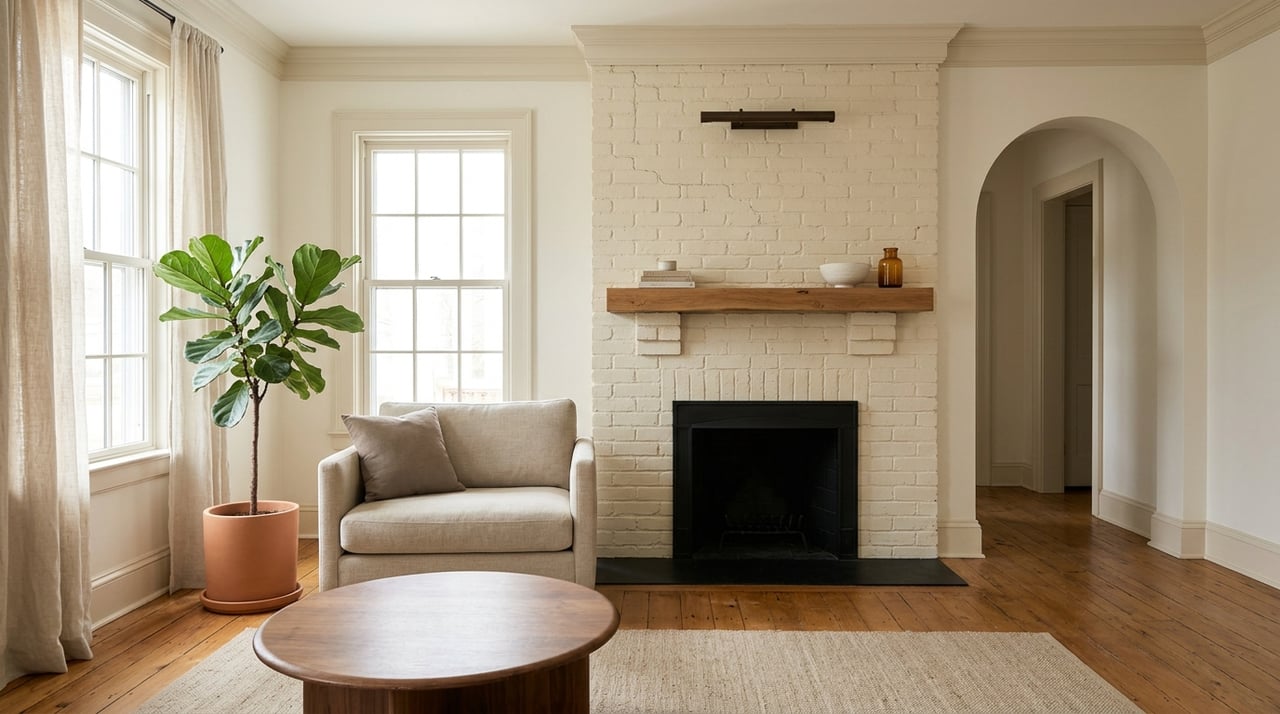
Wondering how to make an older Central OKC home feel fresh without stripping away the details that make it special? You are not alone. Selling a home with age and personality can feel like a balancing act, especially when you want buyers to notice the charm, not the clutter. The good news is that thoughtful staging can help your home photograph better, show better, and still feel true to its history. Let’s dive in.
Why staging matters in Central OKC
Presentation still plays a major role in today’s market. According to the MLSOK 2025 annual report, the median sales price in the area was $262,900, median days on market was 51, and the median percent of list price received was 97.8%.
That means buyers are active, but homes still need to stand out. The same report shows homes priced at $279,000 or more had the longest average market time at 61 days, so strong presentation can be especially important when you are aiming for the upper end of your price range.
Online appeal matters too. The same MLSOK report notes that all buyers used the internet in their search, 43% first looked online, and 41% said photos were very useful. If your home’s character does not come through clearly in photos, buyers may never make it to the showing.
What staging should accomplish
At its core, staging is not about making your home look generic. The National Association of Realtors staging guidance describes staging as cleaning, decluttering, repairing, depersonalizing, and updating the home so buyers can picture it as theirs.
For an older home, that goal matters even more. You want buyers to notice original trim, wood floors, fireplaces, built-ins, and windows as standout features, not have those details compete with heavy furniture, busy décor, or deferred maintenance.
NAR’s 2025 staging survey found that 83% of buyers’ agents said staging made it easier for buyers to visualize the property as a future home. That is exactly what you want when selling a character home in Central OKC.
Keep the character, reduce the distractions
The biggest mistake with older homes is trying to hide every sign of age or, on the other hand, leaving so much personality in place that buyers cannot focus. The sweet spot is simple: highlight the original features and calm everything else down.
Think of staging as editing, not erasing. Your home does not need to look new. It needs to look cared for, functional, and easy to imagine living in.
Preserve the best original details
If your home has historic or older architectural elements, make those the visual anchors of each room. That could include:
- Original hardwood floors
- Fireplace mantels
- Built-in shelving or cabinets
- Wide trim or molding
- Vintage doors or hardware
- Distinctive window shapes or casings
Once you know what the focal point is, arrange the room to support it. Avoid placing oversized furniture in front of a fireplace or filling built-ins with too many personal items.
Use neutral layers
NAR recommends removing personal items and sticking with neutrals. In an older home, neutral styling helps architectural details stand out without making the space feel cold.
You do not need to remove all warmth or personality. A few simple textiles, light-toned bedding, natural wood accents, and subtle greenery can soften the room while keeping attention on the home itself.
Edit furniture for room scale
Older homes often have room layouts that feel different from newer construction. Some spaces are narrower, more formal, or broken into smaller rooms. That makes furniture editing especially important.
Use fewer pieces, and choose items that fit the room’s scale. Buyers should be able to see easy walking paths, natural light, and how the room can function for modern daily life.
Focus on the rooms buyers notice most
According to NAR’s staging guidance, the rooms most often staged are the living room, primary bedroom, and dining room. If you are deciding where to spend time and money, start there.
Living room
The living room often carries a lot of a home’s character. If you have original flooring, a fireplace, or built-ins, keep décor simple so those features read clearly.
Use seating that creates conversation and leaves open sightlines. Remove extra side tables, large collections, and anything that makes the room feel crowded.
Primary bedroom
Buyers want the primary bedroom to feel restful and functional. Use clean bedding, limited accessories, and soft neutral colors.
If the room is small, avoid heavy furniture and dark bedding. If the room has older windows, trim, or flooring, let those details be part of the appeal.
Dining room
In many older Central OKC homes, the dining room is a space with clear architectural identity. A simple table setting, updated lighting if appropriate, and open floor space can help it feel useful without overstyling it.
If the room could serve more than one purpose, staging should still make the use feel clear. NAR also recommends creating versatile spaces, which can help buyers understand how older floor plans can support current lifestyles.
Repairs matter more in older homes
Staging is not just about décor. Cleaning, repairs, and small updates are part of the process. In an older home, buyers often look closely for signs of maintenance because they expect some age-related wear.
Before professional photos or showings, pay attention to the basics:
- Patch wall damage and touch up paint
- Deep clean floors, trim, and windows
- Replace burned-out bulbs
- Fix sticking doors or loose hardware
- Address obvious caulking gaps or minor cosmetic wear
- Reduce signs of moisture or musty odors
These steps help buyers see your home as cared for. That can support stronger first impressions both online and in person.
Be careful with exterior changes
If your home is in one of Oklahoma City’s historic preservation areas, exterior work may need extra review. The city’s Historic Preservation program explains that changes, demolitions, and new construction in Historic Preservation and Historic Landmark Overlay districts require a Certificate of Approval.
The city highlights districts such as Crown Heights, Edgemere Park, Jefferson Park, Mesta Park, Heritage Hills, Heritage Hills East, Paseo, Putnam Heights, and Shepherd. If your home is in one of these areas, check local rules before making exterior updates before listing.
This matters because curb appeal is still important, but you want your prep work to respect local standards. Sensitive updates and maintenance are often a better path than rushed exterior changes.
Stage for photos first
Because so many buyers begin online, your staging plan should be built with photography in mind. NAR’s 2023 staging report found that buyers’ agents said photos, videos, and virtual tours were more important or much more important to their clients.
That means your home needs to read well on a screen before it can win in person. Good staging helps buyers understand room size, layout, light, and standout details within seconds.
What to show in listing photos
For older homes, the best photo set should show:
- Real natural light
- Honest room scale
- Clear traffic flow
- A few memorable character details
- Clean, uncluttered surfaces
This approach helps buyers connect with the home while setting accurate expectations.
Keep photo editing honest
It can be tempting to over-edit listing photos, especially if a home has age or quirks. But that can backfire. NAR’s 2026 coverage on altered listing photos warns that heavy digital edits can create disappointment when buyers arrive and the home does not match the images.
A better rule is simple: edit for clarity, not illusion. If virtual staging is used, it should be identified as virtual, and the listing should still reflect the home honestly. You can read more in NAR’s article on avoiding misleading real estate photos.
A practical staging checklist
If you are preparing an older Central OKC home for sale, start with this order:
- Identify the character features you want buyers to notice first.
- Declutter and depersonalize so those features stand out.
- Handle visible repairs that affect first impressions.
- Simplify furniture layouts to improve flow and scale.
- Stage key rooms first like the living room, primary bedroom, and dining room.
- Prep for listing photos with clean light, open surfaces, and honest presentation.
- Check preservation rules before making exterior changes if your home is in a protected district.
This kind of plan keeps the process manageable and helps you spend effort where it counts most.
The goal is confidence
When older homes are staged well, buyers can appreciate both the charm and the livability. They see a home with personality, but they also see clean lines, cared-for spaces, and a layout they can understand.
That balance matters in Central OKC, where presentation still affects how quickly a home grabs attention and how strongly it competes online. If you want help deciding what to keep, what to update, and how to stage your home without losing its identity, Lana Wienstroer is here to help with thoughtful, hands-on guidance.
FAQs
How should you stage an older Central OKC home without losing character?
- Focus on cleaning, decluttering, repairing, and using neutral styling so original details like floors, trim, fireplaces, and built-ins stand out.
Which rooms matter most when staging an older home for sale?
- The living room, primary bedroom, and dining room are the rooms most often staged, according to NAR.
Why do listing photos matter when selling a Central OKC home?
- Buyers heavily rely on online search tools, and photos are one of the most useful features when deciding which homes to visit.
What should you avoid when staging a character home in Oklahoma City?
- Avoid overcrowded rooms, overly personal décor, oversized furniture, and misleading photo edits that make the home look different from the in-person showing.
Do historic district rules affect exterior updates before listing a home in Oklahoma City?
- Yes. In Oklahoma City Historic Preservation and Historic Landmark Overlay districts, certain exterior changes require a Certificate of Approval, so it is smart to check local rules before making updates.